
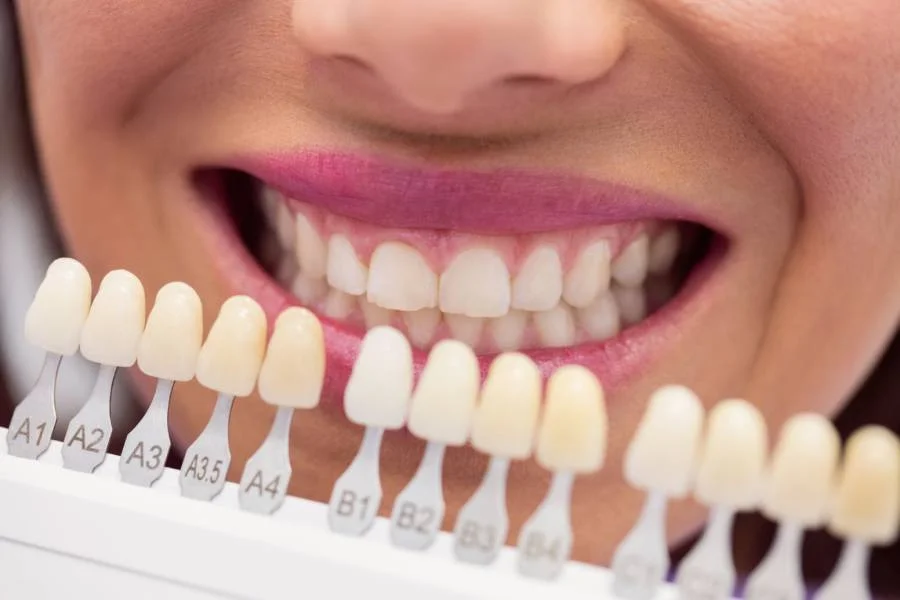
Most dental work you find out about after it’s done. Veneers are different. The shape, the shade, how the teeth sit against each other- all of it gets settled while your own teeth are still whole, and a lot of it you can see first. That’s the gap between a smile you picked and one you’re quietly getting used to. Here’s how the design comes together.
Key Takeaways
- The look is locked in early. Shape, shade, proportion, all decided when you sign off, not on the day they bond.
- Ask if you can preview it. A wax model or an on-screen mock-up shows the plan before a tooth gets touched.
- Try-in lets them tweak the finals before bonding. After cementing, though, a change means remaking them, so your voice matters most in the early rounds.
Cosmetic dentists talk a lot before they pick up a drill, and there’s a reason. Prepping a tooth for a porcelain veneer shaves off a thin layer of enamel. That enamel is gone for good. So this is a call you want to make looking straight at it, not one you meet on the other side.
The upside is how much gets settled first. Going with porcelain veneers asks less blind trust than people brace for. The look is drawn up, talked over, often shown to you, all before anything permanent starts. Follow the stages, and you’ll spot where your say counts.
The Veneer Consultation
It starts with a conversation, not a drill. The dentist looks over your teeth and gums, listens to what bothers you, and works out whether veneers are even the right fix. Sometimes they aren’t, and a straight answer there saves you money.
Two things get checked first. If you grind at night or there’s decay hiding somewhere, that gets dealt with before anything else, because bonding veneers onto an unstable foundation is asking for trouble later.
Bring specifics to this visit:
- Photos of smiles you like
- The exact things you’d change about yours
- Any grinding, clenching, or sensitivity you’ve been noticing
Scans and the Trial Smile: Seeing It Before Prep
This is where the preview lives. While your teeth are still untouched, the dentist snaps photos and takes an impression or a digital scan of your mouth the way it looks today. That’s the raw material the new smile gets built from.
From them, two kinds of previews are possible. A diagnostic wax-up is a model of your proposed veneers, sculpted in wax so you can see their shape and length in three dimensions. The other route is digital: a mock-up rendered on screen over an image of your face. Some dentists go further and transfer that design into your mouth as a temporary trial smile you can see on your own teeth for a few minutes. Not every office offers each of these, so it’s fair to ask when you book.
What a preview lets you judge before prep:
- Whether the length suits your face
- How the shape reads when you talk and smile
- Whether you’d push the shade lighter or keep it natural
Shape, Shade, and Proportion: Where You Get a Say
This is the part patients underuse. The shape of each veneer, the exact white you land on, and how the teeth relate in size are all yours to weigh in on, and now is the moment.
Shade trips people up most. The brightest option in the guide looks striking on its own but may appear artificial against your skin and the whites of your eyes. A shade that reads natural usually ages better and draws fewer double-takes.
Proportion is quieter and just as decisive. A front tooth set a hair longer than the ones beside it. A touch of width to close the dark triangles at the corners. Little calls like these are what separate a smile that looks like yours got better from one where a stranger’s teeth showed up.
How the Lab Builds Them, and What You Wear Meanwhile
With the design agreed, the teeth get prepped and a fresh impression or scan heads to the lab. There, technicians build each porcelain veneer by hand to the shape and shade you locked in, layering the ceramic so it plays with light the way real enamel does. Figure a couple of weeks.
You don’t walk around with prepped teeth meanwhile. Many patients get temporary veneers while the lab works, and those temporaries do double duty. They protect your teeth and give you a live test of the new shape before the permanent set arrives.
Pay attention while you wear them:
- Whether the length feels right when you eat and speak
- How they look in daylight and in photos
The Try-In: Checking and Adjusting Before Bonding
The permanent veneers come back, and there’s still a checkpoint before they’re locked in. At Samuel Dental Care, the finals are checked for fit, bite, and how they look against the rest of your teeth, and anything needing a tweak gets handled right there before cementing.
Know the honest limit, though. Contour and bite can be refined at this stage, but a major change to shade or shape means the veneers will need to be remade, not adjusted in the chair. That’s exactly why the earlier previews earn their keep. And once they’re cemented, that’s the finish line, since changing bonded veneers means removing and remaking them.
A Smile You Chose, Not One You Settled For
Previewing does one thing above all. It drags the surprises up to a point where fixing them is still cheap. Look at the shape in wax. Hold the shade against your face. Live in the temporaries a while. Eye the finals at try-in. Do that, and nothing permanent lands until you’ve already said yes to it. The regret stories come from skipping those steps.
Thinking about veneers around Sacramento? Book a consultation with Samuel Dental Care and start with the part that matters: what you actually want your smile to look like. Ask what preview options they can put in front of you. The moment to shape the result is before the first tooth is touched.


