
Will I Need a Bone Graft for Dental Implants
- Home
- Will I Need a Bone Graft for Dental Implants
Will I Need a Bone Graft for Dental Implants in Sacramento CA
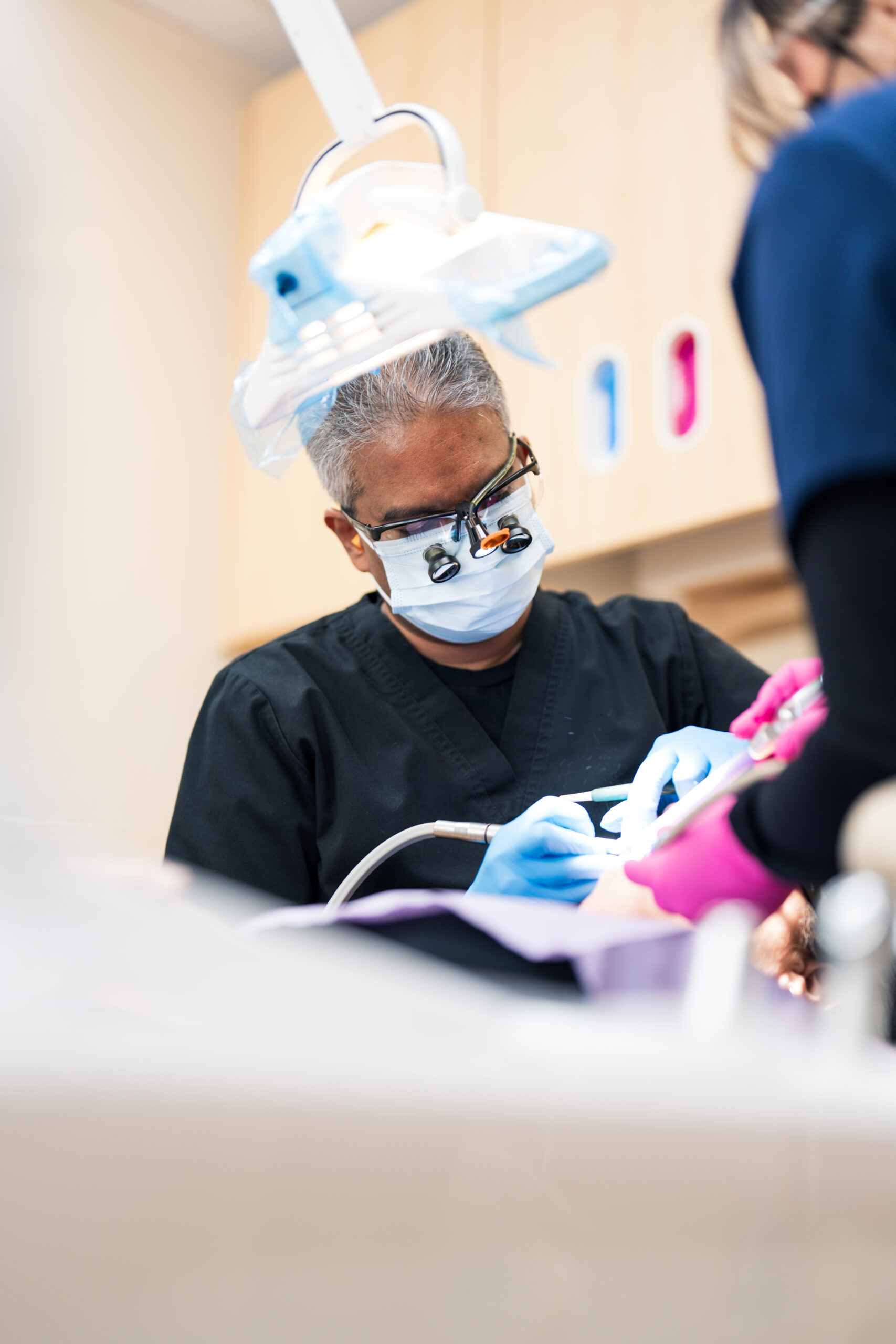
Understanding Bone Grafts for Dental Implants In Sacramento CA
A bone graft is a surgical procedure that enhances the volume or density of bone at the implant site. It involves placing bone or a bone substitute material to promote new bone growth. This procedure is crucial when the existing bone structure is inadequate due to:
-
Tooth loss
After losing a tooth, the jawbone can begin to deteriorate over time through resorption, especially if the tooth socket is not preserved. -
Periodontal disease
Advanced gum disease can erode bone tissue supporting the teeth. -
Trauma
Facial trauma or injury can damage the jawbone, necessitating repair before implant placement. -
Genetics
Some individuals naturally have insufficient bone density, requiring augmentation for successful implantation.
When Is a Bone Graft Necessary?
Insufficient bone volume
If your jawbone lacks the necessary height, width, or density to support an implant, a bone graft helps build up the bone structure.
Sinus augmentation
For implants in the upper jaw near the sinus cavity, a sinus lift procedure may be necessary to create space for the bone graft.
Ridge augmentation
This procedure builds up the ridge of the jawbone to ensure it can adequately support an implant.
- Types
Types of Bone Grafts
There are several types of bone grafts used in dental procedures:
Autograft
Bone harvested from the patient's own body, often from areas like the chin, jaw, hip, or shinbone. Autografts are preferred for their compatibility and effectiveness in promoting bone regeneration.
Allograft
Donor bone sourced from a tissue bank. Allografts are processed and sterilized to ensure safety and are commonly used when the patient's own bone is insufficient or unavailable.
Xenograft
Bone graft material derived from animal sources, typically bovine or porcine bone. Xenografts are processed to remove organic components, leaving behind a scaffold that promotes new bone growth.
Synthetic
Biocompatible materials designed to mimic natural bone structure and stimulate bone regeneration. Synthetic grafts often incorporate minerals like calcium phosphate to encourage the body's natural bone-forming processes.
- Steps
The Bone Graft
The Bone Grafting Process
Bone grafting is a surgical procedure essential for preparing the jawbone to support dental implants effectively. This process becomes necessary when the existing bone structure is insufficient due to factors like tooth loss, gum disease, trauma, or natural bone resorption.
Preparing for Bone Graft Surgery In Sacramento CA
Before undergoing bone graft surgery, your dentist in Sacramento CA will conduct a thorough examination of your oral health. This typically includes detailed imaging such as X-rays or CT scans to assess the current bone density and volume at the implant site. This evaluation helps determine the type of bone graft required and the optimal placement for future dental implants. Contact us to learn more.
Bone Graft Surgery
During the procedure, the selected bone graft material is placed in the targeted area of the jawbone where additional support is needed. Your dentist or oral surgeon secures the graft with pins, screws, or membranes to facilitate proper integration with the surrounding natural bone. This integration process, known as osseointegration, is crucial as it ensures the stability and longevity of dental implants.
Recovery and Aftercare
After bone graft surgery, proper postoperative care is essential for successful healing and optimal outcomes:
-
Pain management
Over-the-counter pain relievers or prescribed medications help manage discomfort during the initial recovery period. -
Oral hygiene
Maintaining good oral hygiene is crucial to prevent infection and promote healing. Your dentist may recommend gentle brushing and rinsing with an antimicrobial mouthwash. -
Dietary guidelines
Initially, stick to soft foods that are easy to chew and gradually reintroduce a normal diet as directed by your dental provider. -
Follow-up visits
Attend follow-up appointments to monitor healing progress and assess the integration of the bone graft with the natural bone. These visits also allow your dentist to plan for the placement of dental implants once sufficient bone regeneration has occurred.
Conclusion
Bone grafting plays a vital role in ensuring the success and longevity of dental implants. While the procedure adds time to the overall treatment process, it provides a solid foundation for implants, enhancing their stability and functionality. Dr. Naveen Samuel at Samuel Dental Care in Sacramento CA, specializes in implant dentistry and can assess your oral health and could determine if a bone graft is necessary for your dental implant procedure.
For personalized guidance and expert care, schedule a consultation with Dr. Naveen Samuel to explore your options for restoring your smile with dental implants.
Book Your Appointment Today
Ready to take control of your dental health? Contact Samuel Dental Care today to schedule a check-up, discuss cavity prevention, or start treatment. We’re here to provide you with the personalized, high-quality care you deserve!